
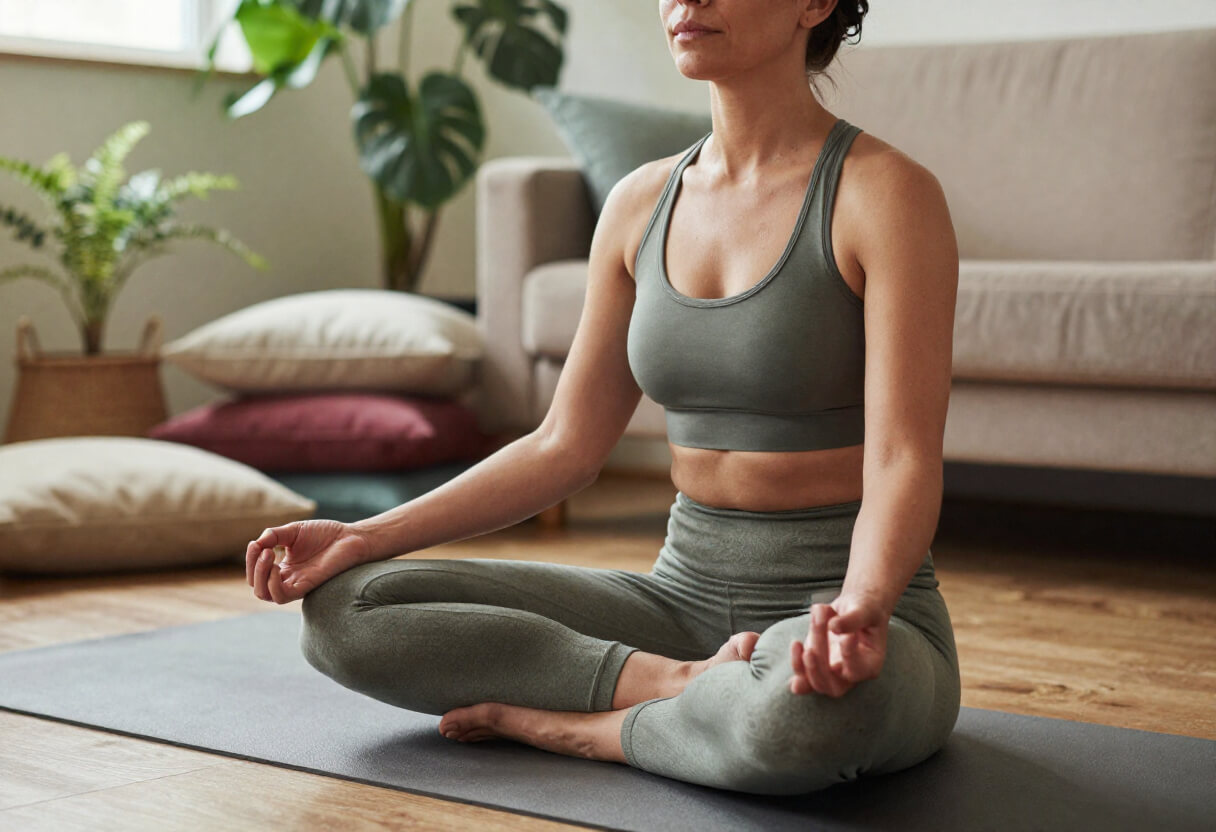
In today’s fast-paced world, stress and distractions are constant challenges. Mindfulness is a simple yet powerful practice that helps you focus on the present moment, reduce anxiety, and improve overall mental health. For beginners, mindfulness can be incorporated into daily routines without needing special equipment or extensive time.
This guide introduces practical mindfulness techniques and tips to create a consistent practice for better mental wellness.
What Is Mindfulness?
Mindfulness is the practice of paying full attention to the present moment, noticing thoughts, emotions, and sensations without judgment. It trains the mind to become calmer, more focused, and resilient to stress.
Benefits of Mindfulness
Regular mindfulness practice can:
-
Reduce stress and anxiety
-
Improve focus and cognitive performance
-
Enhance emotional resilience and self-awareness
-
Promote better sleep
-
Improve overall mental and physical well-being
Even a few minutes daily can produce noticeable benefits.
Simple Mindfulness Practices for Beginners
-
Breathing Exercises:
-
Focus on your breath, inhaling slowly for 4 counts, holding 2 counts, exhaling for 6 counts.
-
Helps calm the nervous system and increase focus.
-
-
Body Scan:
-
Lie down or sit comfortably, and mentally scan your body from head to toe.
-
Notice tension areas and consciously relax them.
-
-
Mindful Walking:
-
Pay attention to each step, the movement of your body, and sensations of your surroundings.
-
Combine gentle physical activity with mindfulness.
-
-
Mindful Eating:
-
Eat slowly, notice textures, flavors, and smells.
-
Helps prevent overeating and increases appreciation for food.
-
-
Journaling:
-
Write thoughts, emotions, or experiences without judgment.
-
Enhances self-awareness and emotional processing.
-
Creating a Daily Mindfulness Routine
-
Start with 5–10 minutes daily, gradually increasing to 20 minutes
-
Set a consistent time each day (morning or evening)
-
Find a quiet space free from distractions
-
Use guided meditation apps if needed
Consistency is more important than duration initially.
Overcoming Common Beginner Challenges
-
Busy mind: Simply acknowledge thoughts without judgment and return to focus.
-
Time constraints: Incorporate micro-mindfulness sessions (1–2 minutes) throughout the day.
-
Restlessness: Begin with seated or walking meditation before extending practice.
Patience and persistence are key to building the habit.
Combining Mindfulness with Lifestyle Habits
Mindfulness is enhanced when paired with other wellness practices:
-
Exercise: Yoga, walking, or stretching
-
Nutrition: Mindful eating supports body awareness
-
Sleep: Mindfulness before bed improves sleep quality
-
Social interaction: Mindful listening enhances relationships
These integrations strengthen both mental and physical health.
Mental Health Benefits of Daily Mindfulness
-
Reduces cortisol and stress hormone levels
-
Enhances mood and emotional regulation
-
Improves attention span and productivity
-
Supports long-term resilience against anxiety and depression
Mindfulness is a proactive approach to mental wellness, not just a stress relief tool.
Final Thoughts
Mindfulness is a simple yet powerful practice that anyone can integrate into daily life. By focusing on the present, observing thoughts without judgment, and cultivating awareness, you can reduce stress, improve focus, and enhance overall well-being.
At Top Health Fitness Guide, we promote practical, realistic mindfulness practices for beginners. Even just a few minutes a day can lead to meaningful improvements in mental health and quality of life.