
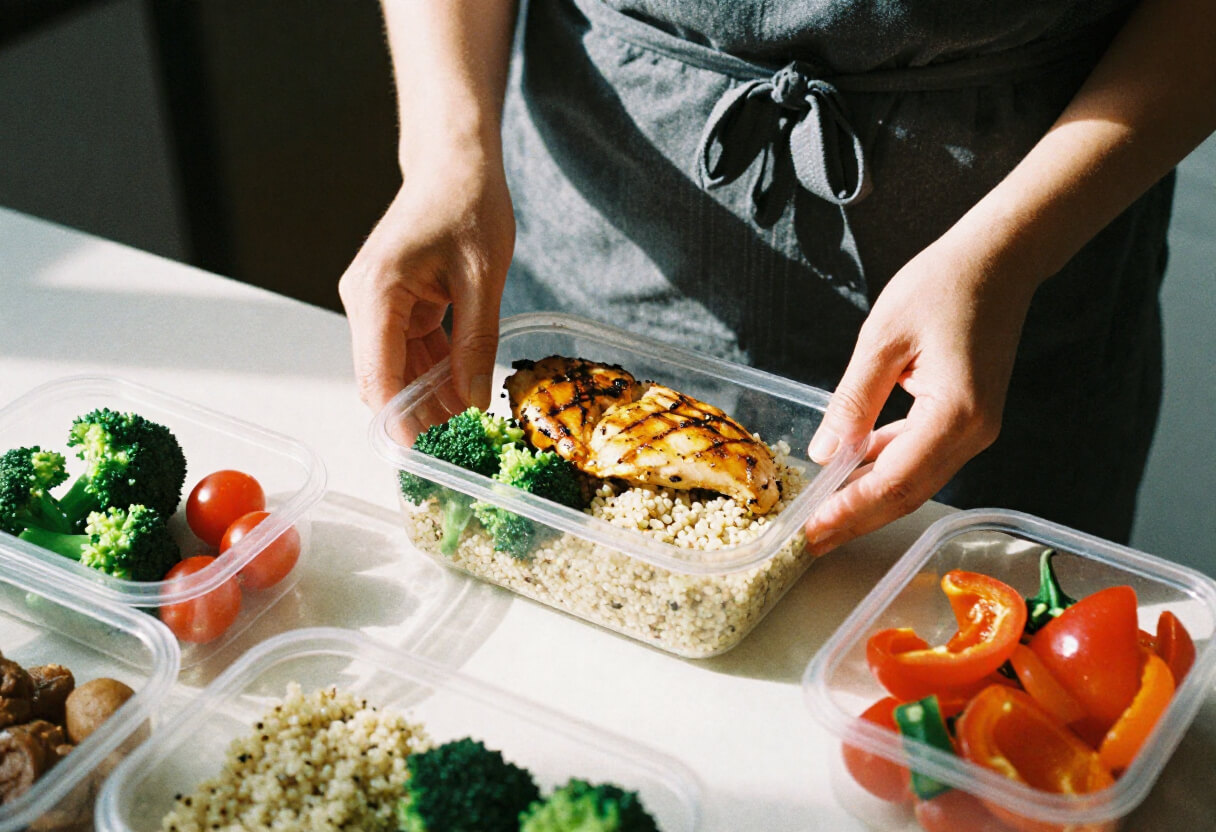
Meal prepping is one of the most effective ways to maintain a healthy diet, save time, and reduce stress around eating. Planning your meals ahead ensures you have balanced, nutritious options ready, which can prevent impulsive, unhealthy food choices. For beginners, meal prep might feel overwhelming, but with a simple approach, it can become an easy and sustainable habit.
This guide will help you get started with meal prepping and provide practical tips for a week of healthy meals.
Why Meal Prep Matters
Meal prepping helps you:
-
Save time during busy weekdays
-
Reduce food waste
-
Control portion sizes and calories
-
Ensure balanced nutrition
-
Improve consistency with healthy eating
Even dedicating 1–2 hours a week to meal prep can have a huge impact on your diet.
Planning Your Meals
Start by creating a simple plan:
-
Decide how many meals to prep: Breakfast, lunch, dinner, and snacks.
-
Choose simple, versatile recipes: Easy to cook and store.
-
Balance macronutrients: Include protein, complex carbs, and healthy fats in each meal.
-
Make a shopping list: Organize ingredients by category to save time.
Planning prevents last-minute unhealthy choices.
Meal Prep Containers and Storage
-
Use BPA-free, airtight containers
-
Glass containers are ideal for reheating
-
Label meals with dates to track freshness
-
Store meals in the fridge for 3–5 days
-
Freeze meals for longer storage
Proper storage keeps food safe and delicious.
Beginner-Friendly Meal Prep Ideas
Breakfast: Overnight oats with berries and nuts, yogurt parfaits, egg muffins
Lunch: Grilled chicken with quinoa and roasted vegetables, chickpea salads, turkey wraps
Dinner: Baked salmon with brown rice and steamed broccoli, stir-fry with tofu and veggies
Snacks: Hummus with carrot sticks, mixed nuts, fruit slices
Mix and match ingredients to prevent boredom.
Cooking Tips for Efficiency
-
Cook in bulk (e.g., a whole tray of roasted vegetables)
-
Use versatile ingredients for multiple meals
-
Pre-chop vegetables to save time
-
Use one-pot meals or sheet pan recipes
-
Clean as you go to save effort
Efficiency keeps meal prepping sustainable.
Portion Control and Balanced Nutrition
Meal prep allows you to control serving sizes:
-
Protein: 20–30% of plate (chicken, fish, tofu)
-
Carbs: 30–40% of plate (rice, quinoa, sweet potatoes)
-
Vegetables: 30–50% of plate
-
Healthy fats: 1–2 servings (nuts, seeds, olive oil)
Balanced meals maintain energy and prevent overeating.
Common Meal Prep Mistakes to Avoid
-
Overcomplicating recipes
-
Prepping meals that don’t taste good
-
Using containers that aren’t airtight
-
Not rotating meals (leads to boredom)
-
Ignoring food safety
Simple, tasty, and safe meals are key to long-term success.
Staying Consistent with Meal Prep
-
Set a specific day and time for prep (e.g., Sunday afternoon)
-
Start small with 2–3 meals instead of all at once
-
Track your meals to monitor nutrition and habits
-
Experiment with new recipes to stay motivated
Consistency ensures meal prep becomes a natural habit.
Benefits Beyond Nutrition
Meal prepping also improves:
-
Productivity and time management
-
Stress reduction around mealtime
-
Financial savings by avoiding takeout
-
Family nutrition when cooking for others
It’s a lifestyle change, not just a diet trick.
Final Thoughts
Meal prepping is a simple, practical tool for maintaining a healthy diet and supporting overall wellness. With planning, organization, and simple recipes, even beginners can enjoy nutritious meals all week long.
At Top Health Fitness Guide, we promote realistic, sustainable nutrition habits. Meal prep makes healthy eating convenient, stress-free, and enjoyable.