
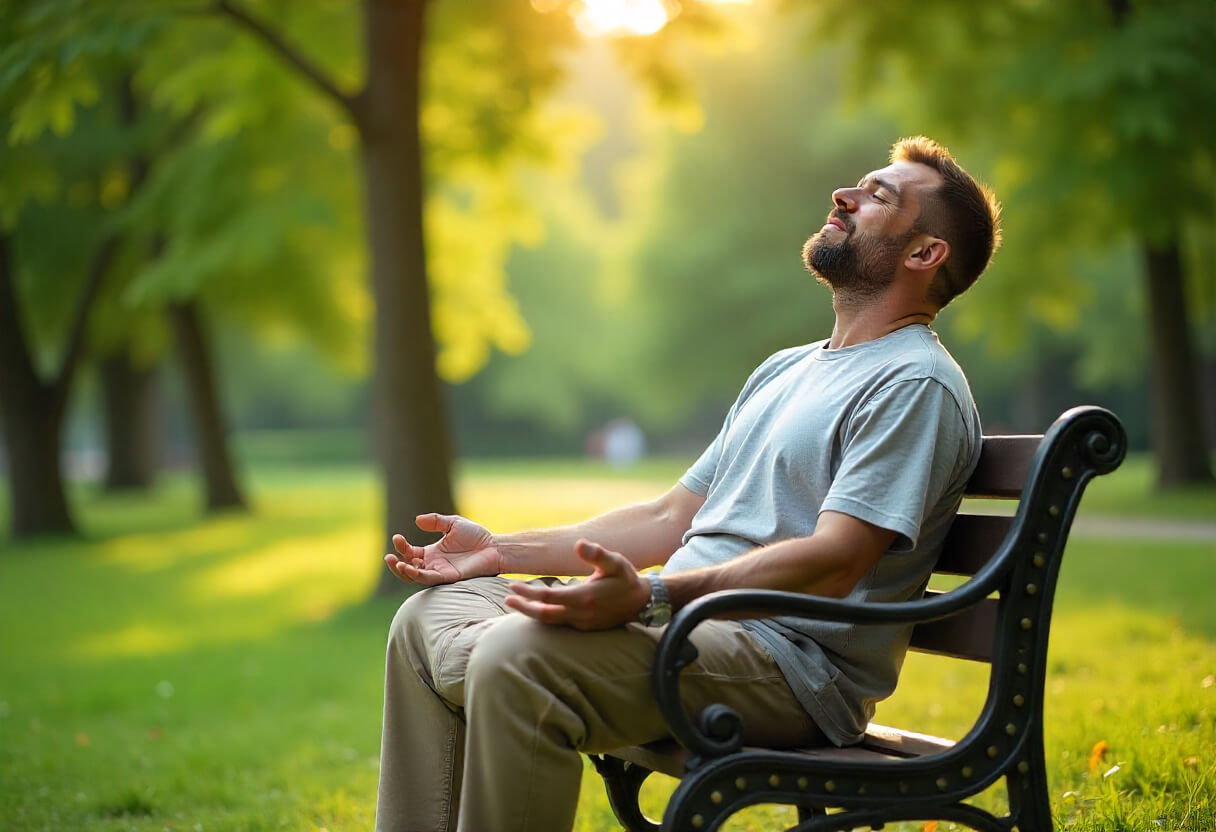
Stress has become an inevitable part of modern life, but how you manage it determines its impact on your health. Chronic stress affects mental clarity, mood, sleep, and even physical health. Learning simple stress relief techniques can help you stay balanced, calm, and energized every day.
This guide will explore effective strategies for reducing stress and improving mental wellness naturally.
Understanding Stress and Its Impact
Stress triggers a series of physiological responses in the body, releasing hormones like cortisol and adrenaline. Short-term stress can be motivating, but chronic stress can lead to:
-
Anxiety and irritability
-
Fatigue and sleep disruption
-
Digestive problems
-
Weakened immunity
-
High blood pressure and heart strain
Recognizing stress is the first step toward managing it effectively.
Daily Mindfulness and Meditation
Mindfulness helps you focus on the present and reduce overwhelming thoughts.
Simple techniques:
-
Deep breathing: Inhale for 4 counts, hold for 4, exhale for 6
-
Guided meditation: 5–10 minutes using apps or audio
-
Body scan: Mentally check in with each part of your body
Even short daily practice can reduce stress hormones and improve emotional stability.
Physical Activity for Stress Reduction
Exercise is one of the most effective natural stress relievers. It releases endorphins, improves sleep, and boosts energy.
Recommended activities:
-
Brisk walking or jogging
-
Yoga or Pilates
-
Stretching and mobility exercises
-
Home workouts or light strength training
Aim for at least 20–30 minutes daily to feel the benefits.
The Role of Nature and Outdoor Time
Spending time outdoors can reduce stress and enhance mood.
Tips:
-
Take short walks in a park
-
Practice mindfulness in nature
-
Sit near windows with sunlight exposure
-
Try gardening or light outdoor activities
Even 10–15 minutes outdoors can refresh your mind.
Breathing and Relaxation Techniques
Simple breathing exercises calm your nervous system.
Techniques include:
-
Box breathing: Inhale 4, hold 4, exhale 4, hold 4
-
Diaphragmatic breathing: Expand the belly while inhaling, contract while exhaling
-
Progressive muscle relaxation: Tense and release each muscle group
Regular practice reduces anxiety and improves focus.
Healthy Lifestyle Habits to Reduce Stress
Lifestyle choices play a big role in managing stress effectively:
-
Nutrition: Eat whole, balanced meals; avoid excessive sugar and caffeine
-
Sleep: Maintain 7–9 hours of quality sleep
-
Hydration: Drink enough water to stay energized
-
Digital detox: Reduce social media and screen time
Good habits build resilience to stress over time.
Social Support and Connection
Strong social connections buffer stress and improve emotional well-being.
Tips:
-
Talk with friends or family regularly
-
Join clubs or community groups
-
Share experiences and listen actively
-
Seek professional help if needed
Connection reduces feelings of isolation and boosts mood.
Time Management and Prioritization
Stress often comes from feeling overwhelmed. Managing time effectively can prevent burnout.
Strategies:
-
Make daily or weekly to-do lists
-
Prioritize tasks by importance
-
Take regular breaks during work
-
Learn to say no when necessary
Effective planning creates a sense of control and reduces mental clutter.
Practicing Gratitude and Positivity
Gratitude practices improve perspective and reduce stress.
Simple steps:
-
Write down 3 things you’re grateful for each day
-
Reflect on positive experiences before bed
-
Focus on progress rather than perfection
A positive mindset enhances resilience and emotional health.
Final Thoughts
Managing stress is essential for mental wellness and overall health. Incorporating mindfulness, physical activity, nature, lifestyle habits, social connection, and gratitude into daily routines can dramatically reduce stress levels and improve quality of life.
At Top Health Fitness Guide, we believe mental wellness is as important as physical fitness. By practicing simple daily stress relief techniques, you can cultivate calm, focus, and long-term well-being.